
How Braces Fix an Overbite
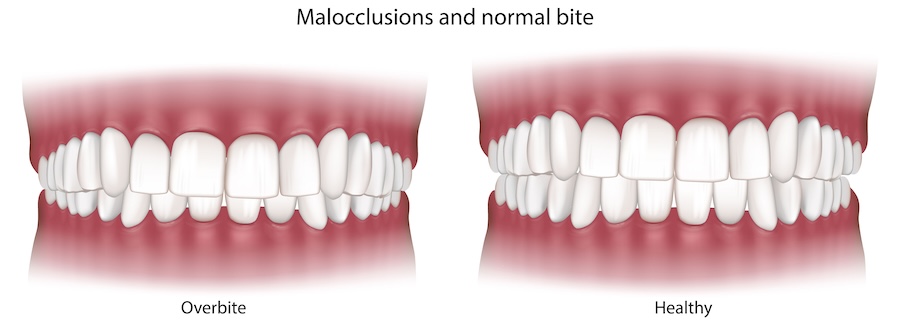
September 22, 2026 9:00 amIf you have ever looked at your child’s smile and noticed that the upper front teeth cover a lot of the lower teeth when they bite down, you may be looking at an overbite. Sometimes it is easy to spot. Other times, it is something an orthodontist notices during an exam before anyone at home has really thought about it.
Overbites are common, and they can range from mild to more pronounced. The teeth may even look fairly straight from the front while the bite still needs some correction. So when we plan orthodontic treatment, we are looking at both how the teeth line up and how the upper and lower teeth fit together.
At Rock Hill Orthodontics in Cherry Hill, Dr. Ambika Sharma uses braces to move the teeth into healthier positions and improve the bite at the same time. Depending on the overbite, that may involve changing the angle of certain teeth, moving several teeth together, or using elastics to help guide the upper and lower teeth into a better position.
How Braces Fix an Overbite
Braces work by applying light, steady pressure to the teeth. The brackets are attached to individual teeth, while the archwire connects them and helps guide their movement. Over time, the bone around each tooth changes enough to allow the tooth to shift into its new position.
With an overbite, though, we are not only trying to straighten the front teeth. Dr. Sharma is also watching how much the upper teeth overlap the lower teeth and how the bite comes together as a whole. Because of that, several teeth may need to move before the bite starts to look different.
For example, the upper front teeth may need to change their angle or move slightly back. In other cases, the lower teeth may need to move forward within the arch, or the back teeth may need to shift to help change the way the bite closes. Often, a few of these movements are happening at the same time.
From the patient’s side of the chair, some appointments can feel pretty uneventful. A wire gets changed, a few brackets are adjusted, and you head back to school or work. Still, those small adjustments are what keep the teeth moving in the right direction.
An Overbite Is About More Than One or Two Teeth
An overbite describes how much the upper front teeth overlap the lower front teeth vertically when you bite down. Some overlap is normal. When that overlap is too deep, though, the bite may need orthodontic correction.
Some overbites are mostly related to tooth position, while others have more to do with the way the upper and lower jaws developed. Age and growth can affect the treatment plan too. So two patients with what looks like the same overbite at first glance may need different approaches.
One patient may do well with braces alone. Another may need braces along with elastics or another orthodontic appliance. Dr. Sharma looks at the full bite before deciding how much movement is needed and where that movement should come from.
The teeth can also look nice and straight before the bite is fully corrected. That can be confusing when someone looks in the mirror and thinks the braces should be ready to come off. However, the way the upper and lower teeth meet still has to be finished before treatment is complete.
Why Rubber Bands May Be Used With Braces
For many patients with an overbite, rubber bands are part of treatment at some point. They may be tiny, but they can create a type of movement that the archwire cannot always handle on its own. Elastics connect different points on the upper and lower braces and help guide the bite.
For an overbite, they may be positioned in a way that helps the upper and lower teeth move into a better relationship. The direction and placement can vary from one patient to another. That is why we want patients to wear them exactly the way Dr. Sharma shows them.
This is also one part of treatment where consistency really counts. Braces stay on the teeth all day whether you think about them or not, but rubber bands only work while they are being worn. A bag of elastics sitting untouched in a backpack cannot do much for the bite.
If Dr. Sharma recommends wearing them for a certain number of hours each day, try to stay as close to that schedule as possible. Skipping them for several days and then trying to make up for it later does not work the same way. Teeth tend to respond better to steady pressure.
The Bite Changes a Little at a Time
Braces treatment usually does not start by correcting the overbite all at once. First, some teeth may need to straighten or rotate so there is room for other movement. As the arches become more organized, Dr. Sharma can start making more specific adjustments to the bite.
Because of that, the smile may look straighter before the overbite is fully corrected. Patients sometimes get to that point and wonder why they still need braces. The front view may look great, but the teeth may still need more time to settle into the right relationship.
Later on, the work can be smaller and less obvious. Spaces may need to close, certain teeth may need a little more angling, and the upper and lower arches still have to line up correctly. Those final changes may not seem dramatic, but they can make a big difference in how the bite feels.
There may also be times when the bite feels a little strange. As teeth move, the spots where they touch can change from one visit to the next. A tooth that seemed to hit first a few weeks ago may feel completely different after the next adjustment.
How Long Does It Take Braces to Correct an Overbite?
There is no single timeline for every overbite. Mild cases may need less movement, while deeper or more complicated bites can take longer. Crowding, tooth position, jaw growth, and elastic wear can all affect how long treatment takes.
Children and teens may have growth working in their favor. Depending on the patient’s age and bite, Dr. Sharma may be able to use some of that growth during treatment. Adults can have overbites corrected too, but the plan is based on a jaw that has already finished growing.
Keeping regular appointments helps treatment stay on track. Each visit gives Dr. Sharma a chance to see how the teeth are responding and decide what should happen next. If several visits are missed, the same wire or mechanics may stay in place longer than planned.
Broken brackets can slow things down as well. One broken bracket after an unfortunate popcorn kernel is usually manageable. But if brackets keep breaking or elastics are rarely worn, treatment can start stretching out longer than expected.
Will an Overbite Stay Fixed After Braces?
Once the braces come off, the teeth still need help staying in their new positions. That is where retainers come in. Teeth naturally have some tendency to shift, especially during the months after active treatment ends.
Retainers help hold the teeth steady while the surrounding bone and tissues continue settling. Wearing them as directed protects the work that went into correcting the bite. Without them, the teeth can gradually start moving back toward old positions.
If a retainer suddenly feels tight, do not ignore it for months and hope it sorts itself out. That can be an early sign that the teeth have started to shift. Give our office a call so we can take a look before a small change turns into a bigger one.
Braces for an Overbite at Rock Hill Orthodontics in Cherry Hill
Correcting an overbite usually involves more than moving a couple of front teeth. Braces give Dr. Sharma control over individual tooth positions, while elastics and other orthodontic tools can help improve how the upper and lower teeth fit together.
The treatment plan depends on what is causing the overbite and how much correction is needed. During an orthodontic evaluation, Dr. Sharma can look at the teeth, bite, and jaw relationship and explain what she would want to change.
If you are wondering whether metal or ceramic braces or Invisalign could correct your or your child’s overbite, schedule a consultation with Dr. Ambika Sharma and the Rock Hill Orthodontics team in Cherry Hill so we can take a look and talk through your options!
Contact UsCategorised in: Orthodontic FAQ, Overbite