
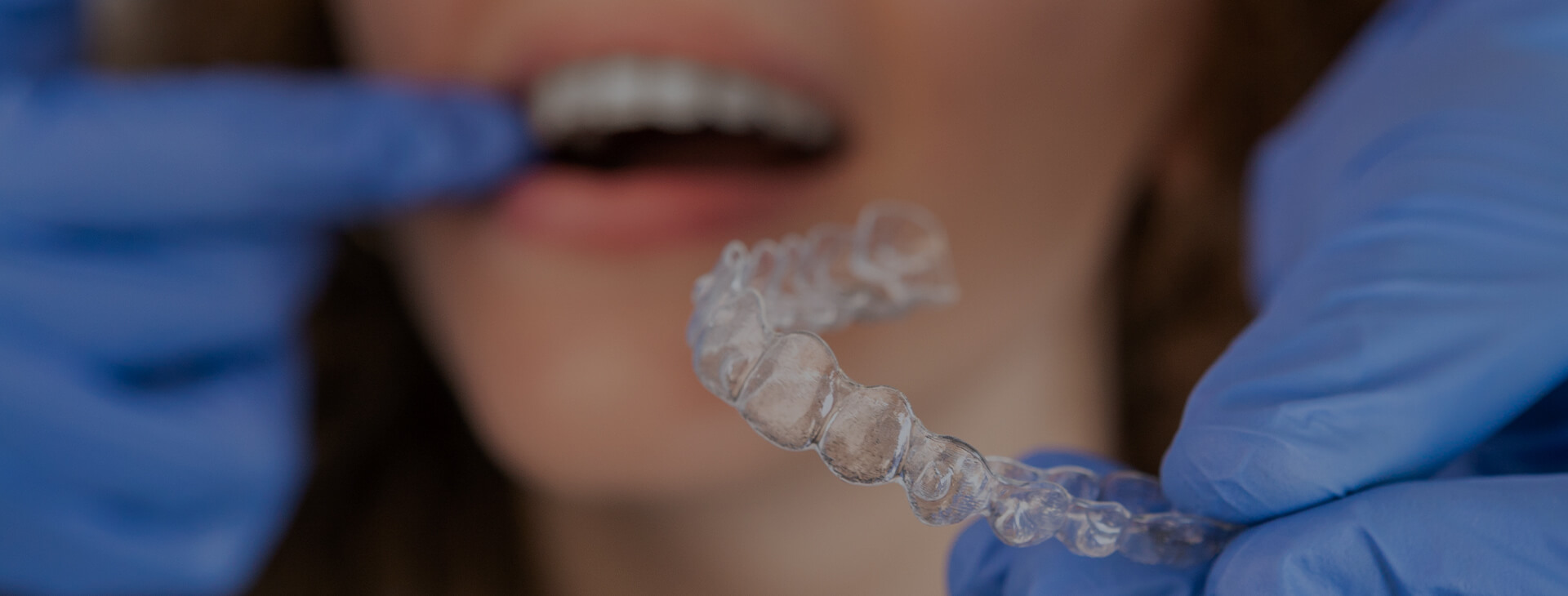

Retainer Guide: Protecting Your New Smile
Finishing orthodontic treatment is a huge milestone, but keeping your smile straight requires lifelong retention. Retainers help prevent teeth from shifting back after wearing braces or aligners, which is a natural process called orthodontic relapse.
At Rock Hill Orthodontics, we want to do everything we can to help you keep your new smile perfectly in place! Contact our office today to learn more about our services and schedule with us.
Contact Us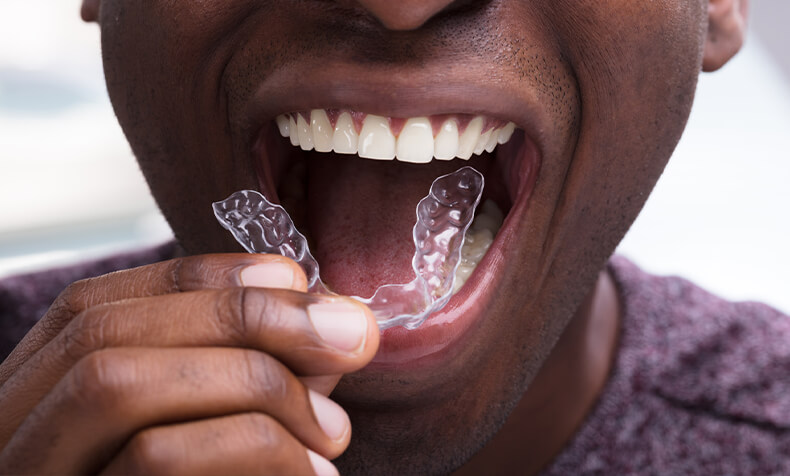
Why Retainers Matter
After orthodontic treatment, the gums, bone, and surrounding tissues need time to stabilize around the new positions of your teeth. Without a retainer, teeth can gradually move over time — especially the lower front teeth. Wearing your retainer as instructed helps preserve your results and protects the investment you made in your smile.

Wear Instructions
Most patients are asked to wear removable retainers full-time at first before transitioning to nighttime wear. Since teeth naturally shift throughout life, nightly wear is often recommended long term. If you have a fixed retainer, continue attending regular dental and orthodontic visits to ensure it remains secure.
Cleaning & Care
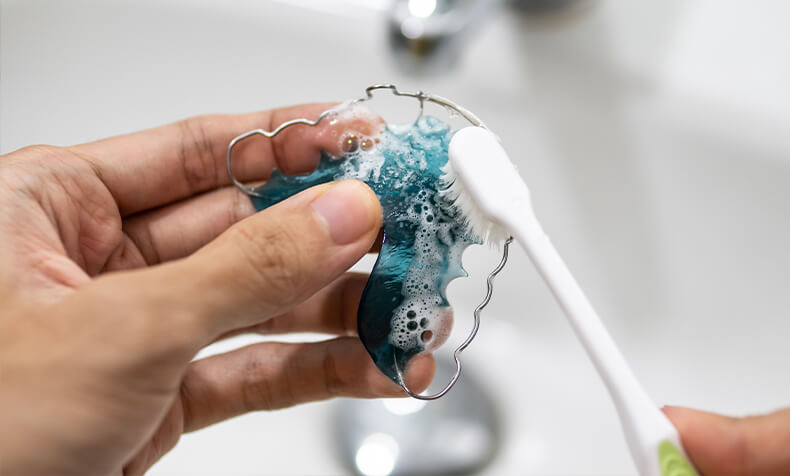
Clean removable retainers daily using a soft toothbrush, lukewarm water, and mild soap or a retainer cleaner. Avoid hot water because it can warp the plastic. Fixed retainers require careful flossing around the bonded wire to prevent plaque buildup. Not cleaning regularly enough can lead to staining and odors as well as an increase in plaque and bacteria.
Eating, Drinking & Storage
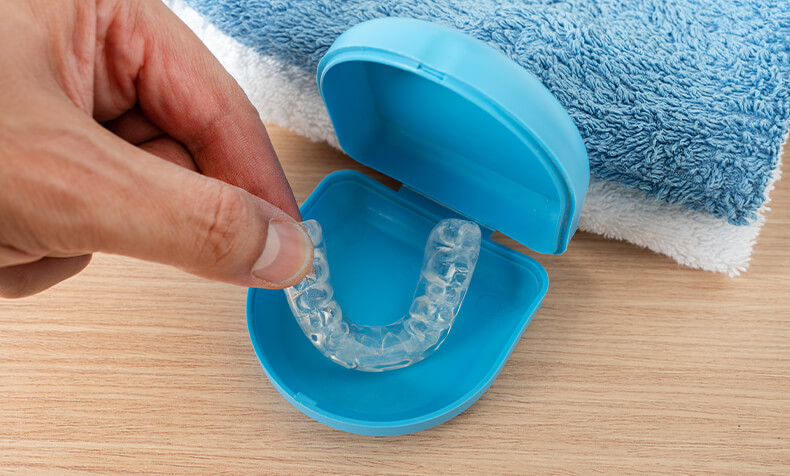
Always remove removable retainers before eating or drinking anything besides water. Store them in a protective case whenever they are not in your mouth. Keeping the case in a cabinet or drawer can further reduce the chances of a pet or child finding and damaging your appliance.
Frequently Asked Questions
What happens if I stop wearing my retainer?
Your teeth may gradually shift out of alignment, which can result in future orthodontic work becoming necessary.
How do I know if my retainer no longer fits?
If it feels tight, uncomfortable, or won’t fully seat on your teeth, contact our office.
Can damaged retainers be repaired?
Sometimes. If your retainer breaks, it’s worth bringing with you to our office to see if it can be repaired instead of being completely replaced.
How are custom retainers created?
We take digital impressions of the patient’s teeth, which involves running a handheld device over the top, bottom, and sides of the teeth. We send these scans to an off-site lab, and they send us custom retainers in about a week or two.
Which type of retainer is right for me?
Fixed retainers offer constant support, while removable retainers provide flexibility and easier cleaning. We can help you determine the right choice for your smile and lifestyle.
Which type of retainer lasts longer?
Fixed retainers can last for many years with proper care. Removable retainers may need periodic replacement depending on wear and tear.
Contact Us