

Frequently Asked Questions: Invisalign
Choosing Invisalign® is an exciting step toward a straighter, healthier smile, and it’s natural to have questions along the way. Our team is here to guide you through every stage of treatment, from your initial consultation to your final results. Below, we’ve answered some of the most common questions about Invisalign so you can feel confident, informed, and ready to begin your smile transformation.
Have a more specific query for us? Feel free to get in touch!
Ask A QuestionDoes Invisalign work faster than braces?
Treatment time depends on your specific orthodontic needs. Invisalign can be comparable to braces for mild to moderate cases, with an average treatment time of 12 to 18 months. More complex cases may take longer, whether you choose aligners or braces. During your consultation, we will assess your smile and provide a personalized timeline estimate so you know what to expect.
What can I do to manage discomfort when I start Invisalign?
It is normal to feel mild pressure or tenderness when beginning a new set of aligners, and this usually improves within a few days. Wearing your aligners as directed, using over-the-counter pain relievers if needed, eating cold foods, and switching to new trays before bedtime can help ease discomfort. Staying consistent with wear time also helps your teeth adjust more smoothly.
What is the best age to get Invisalign?
Invisalign is a great option for teens and adults with fully developed permanent teeth. Many responsible teens qualify for Invisalign Teen, while adults of all ages can benefit from treatment. The best time depends on your dental development and orthodontic goals. We recommend scheduling a consultation so we can determine the right timing for you or your child.
Can Invisalign fix an overbite?
Invisalign can be used to correct many mild to moderate overbites. Clear aligners gradually shift teeth and improve the way your upper and lower jaws fit together. In some cases, we may use small attachments or elastics to help guide tooth movement. If your overbite or underbite is too severe or complex, we may recommend metal braces or additional orthodontic services.
Can Invisalign help with TMJ?
If your TMJ discomfort is related to bite misalignment, Invisalign may help by improving how your teeth come together. Better alignment can reduce strain on the jaw joints and surrounding muscles. However, TMJ issues can have multiple causes, so we will perform a thorough evaluation to determine whether clear aligners are an appropriate part of your treatment plan.
What are the benefits of seeing an orthodontist for Invisalign?
Orthodontists receive advanced training focused specifically on tooth movement and bite alignment. This experience allows professionals like Dr. Sharma to diagnose complex issues and design precise treatment plans. When you see an orthodontist for Invisalign, you benefit from specialized expertise, close monitoring, and adjustments as needed to ensure your results are both healthy and long-lasting.
How should I take care of my Invisalign aligners?
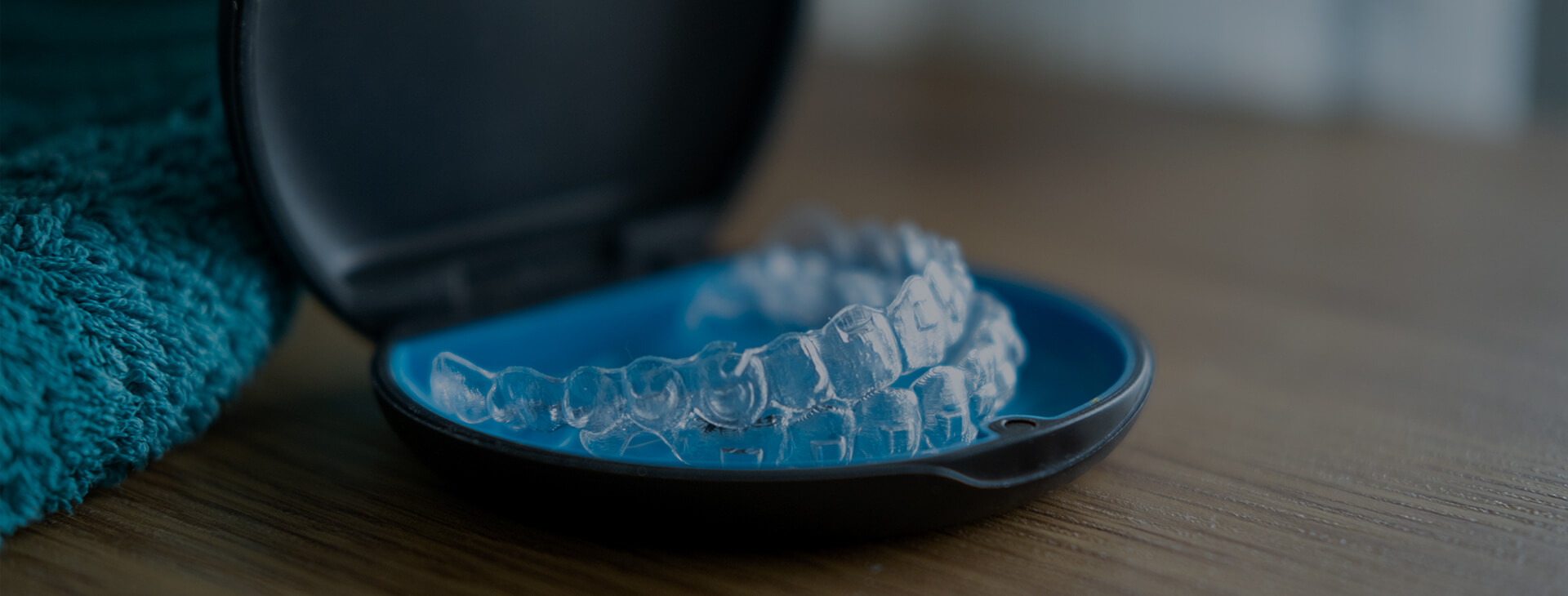
Rinse your aligners each time you remove them and clean them daily with a soft toothbrush and clear, gentle cleanser. Avoid using hot water, as it can warp the plastic. Always store your aligners in their case when not in use, and remove them before eating or drinking anything other than water to keep them clear and odor-free.
Will I have to wear a retainer after completing Invisalign?
Wearing a retainer after treatment is essential to maintain your results. Teeth naturally shift over time, and a retainer helps keep them in their new position. We will provide specific instructions on how often to wear your retainer, which may be full-time at first and then nightly for long-term stability.
Have another question for us? Contact our office today!
Contact Us