
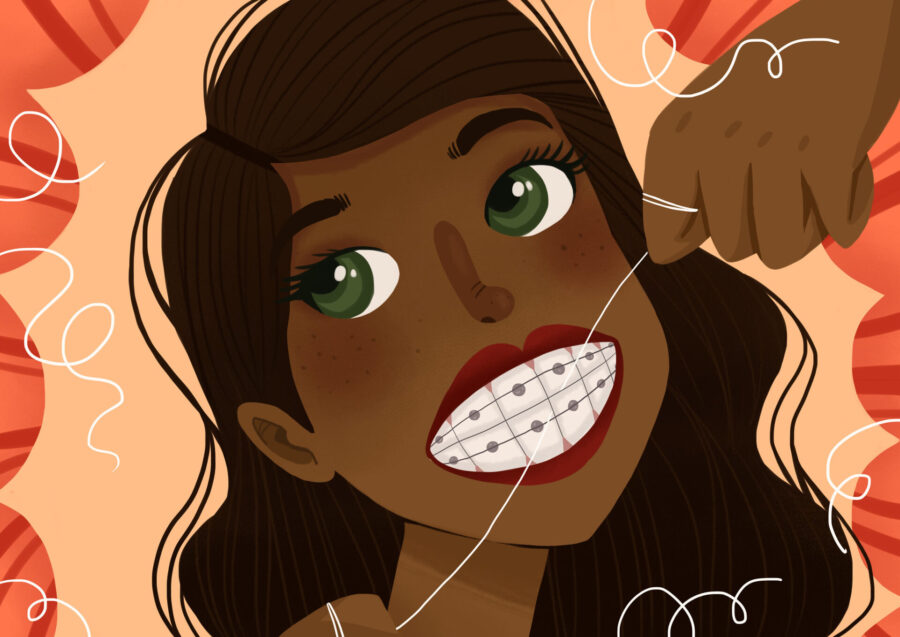
How Parents Can Help Kids Care for Braces
March 23, 2026 9:00 amBraces are a big adjustment for kids—and for parents, too. At the beginning, everything feels new. There’s more time in front of the mirror, different foods to think about, and a routine that takes a little getting used to.
Most kids figure it out fairly quickly, but consistency can be the harder part. A little support early on can make a big difference in how smoothly things go.
At Rock Hill Orthodontics in Cherry Hill, NJ, Dr. Ambika Sharma works with families throughout treatment. The focus is on helping kids get into a routine that feels doable day to day, rather than trying to get everything perfect right away.
Helping Kids Build a Brushing Routine
Braces create more places for food and plaque to hang on, so brushing needs to be a bit more thorough than before.
For younger kids especially, it helps to stay involved at least in the beginning. That might mean watching them brush, or doing a quick check afterward to make sure nothing obvious was missed.
Electric toothbrushes can make this easier since they tend to clean more evenly around brackets. Another helpful option is a toothpaste like Plaque HD, which contains a safe dye that temporarily highlights plaque left behind after brushing. If areas light up, it’s a clear sign those spots need a second pass. For kids, that kind of visual feedback can be more helpful than just being told to “brush better.”
A simple routine to aim for:
Brush at least twice a day, ideally after meals
Spend extra time around brackets and along the gumline
Take a quick second look before finishing
Making Flossing More Manageable
Flossing is usually the part kids push back on the most once braces go on.
Traditional floss can be awkward with wires in place, which is why tools can help. Orthodontic floss picks—like Platypus flossers—are designed to fit under the wire, making it much quicker to get between teeth. Interdental flossers (the flossers that look like upside down Christmas trees) can be helpful as well.
Water flossers are another good option. They use a stream of water to clean around brackets and along the gums, which can be especially helpful for kids who struggle with regular floss.
The goal at first isn’t perfect technique—it’s just getting into the habit of doing it regularly.
Keeping Snacks and Meals Brace-Friendly
Food doesn’t have to be complicated, but a few adjustments go a long way.
The main thing is avoiding foods that are likely to break brackets or get stuck in wires. That usually means being careful with anything very hard, sticky, or chewy.
Some simple swaps can help:
Cut up foods like apples instead of biting into them
Choose softer snacks like yogurt, eggs, or pasta
Be mindful with sticky treats like caramel or gummies
It helps to remind kids this isn’t forever—it’s just part of getting through treatment without unnecessary repairs.
Handling Soreness and Adjustments
It’s normal for teeth to feel sore after braces are first placed or adjusted. This usually settles down within a few days, but it can still be uncomfortable at first.
During those times, it helps to keep things simple:
Stick with softer foods for a couple of days
Use orthodontic wax if brackets are rubbing
Consider over-the-counter pain relief if needed
Letting kids know this is expected—and temporary—often makes it easier for them to handle.
Keeping Track of Appointments
Orthodontic treatment moves in small steps, and regular visits help keep everything on schedule.
Adjustments, wire changes, and progress checks all depend on staying consistent with appointments. When visits are missed or pushed back, it can slow things down.
As kids get older, involving them in keeping track of their appointments can help them take more ownership of the process.
Encouraging Responsibility Without Pressure
There’s usually a transition over time. At first, kids need more reminders and hands-on help. As they get used to the routine, they can start taking more responsibility—brushing on their own, remembering to floss, and keeping up with the little details.
Simple things like keeping supplies easy to reach or doing occasional check-ins can help, without making it feel like a constant correction.
Braces Care at Rock Hill Orthodontics in Cherry Hill, NJ
Braces work best when the day-to-day care at home stays consistent, even if it’s not perfect every time.
At Rock Hill Orthodontics in Cherry Hill, NJ, Dr. Ambika Sharma works with families to make sure both kids and parents feel comfortable with what to expect and how to manage care along the way.
If your child has metal or ceramic braces—or is getting ready to start—scheduling a visit at Rock Hill Orthodontics in Cherry Hill, NJ is a helpful way to get practical guidance and set up a routine that works.
Contact UsImage from Authority Dental under CC 2.0
Categorised in: Orthodontics Tips